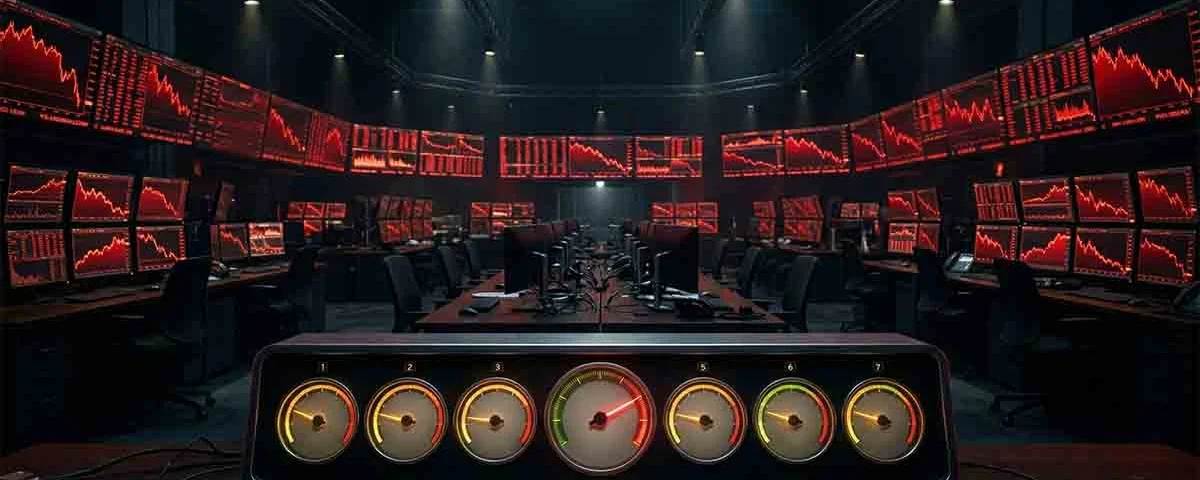
Recessions rarely arrive without warning. These 7 leading indicators tend to shift months before a recession begins — and their current 2026 status matters.
Of these 7 warning signs, at least 3–4 are flashing caution in early 2026. That does not guarantee a recession, but it warrants preparation now rather than later.
1. Yield Curve Inversion
When 2-year Treasury yields exceed 10-year yields, investors expect the economy to slow. The curve has inverted before every US recession since 1970. It inverted sharply in 2022–23 and is only recently normalizing — a pattern that historically precedes recession by 12–18 months. Status: ⚠️ Watch closely.
2. Rising Unemployment Claims
Weekly initial jobless claims published every Thursday signal when businesses start cutting payroll. Look for sustained 20–30% rises over several weeks. Status: ⚠️ Slightly elevated.
3. Consumer Confidence Declining
The Conference Board Consumer Confidence Index tracks economic optimism. When consumers lose confidence, spending falls — and spending is 70% of US GDP.
4. Manufacturing PMI Below 50
A reading below 50 means more manufacturers contracting than expanding. The ISM Manufacturing PMI has been in contraction territory for much of 2025–2026. Status: 🔴 Warning — 6+ months below 50.
5. Housing Starts Declining
Housing construction leads the economy by 12–18 months. When builders stop building, they’re signaling weaker demand ahead.
6. Corporate Layoff Announcements Clustering
Waves of layoff announcements across tech, retail, and financial services precede broader unemployment increases by 3–6 months.
7. Credit Card Delinquency Rising
Consumers missing payments reveal household financial stress. Delinquency rates are at their highest level since 2010. Status: 🔴 Active warning.


💬 0 Comments