
A recession may seem like the worst time to invest — but history shows it often creates the best long-term buying opportunities. Here are 7 strategies for 2026.
Don’t panic-sell. Don’t try to time the bottom. Keep investing through dollar-cost averaging. Recessions reward patient, disciplined investors who stay the course.
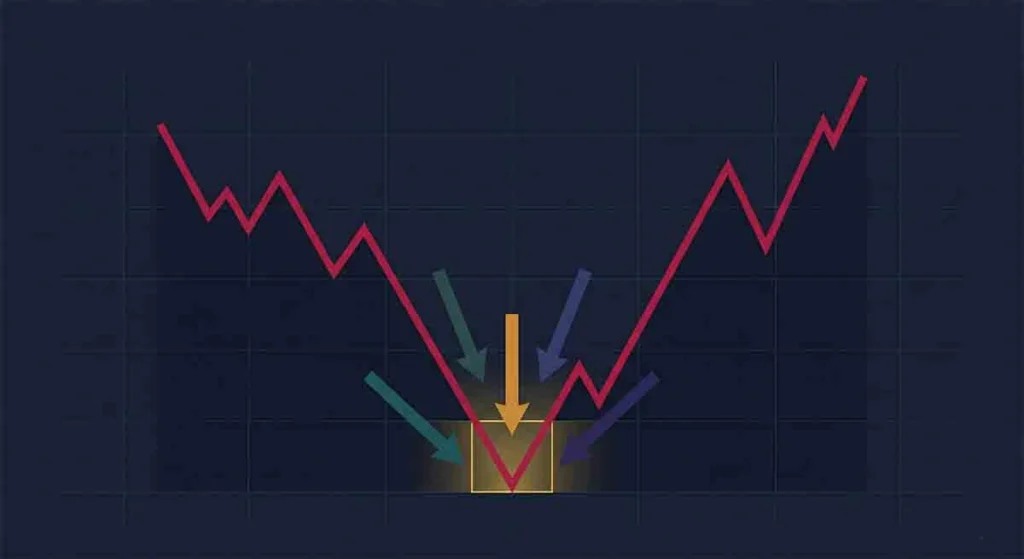
1. Dollar-Cost Averaging — Don’t Stop Investing
Continuing regular 401(k) and IRA contributions during a recession means you buy more shares at lower prices. Investors who kept investing through 2008 saw portfolios double within 5 years of the market bottom.
2. Rotate to Defensive Sectors
Healthcare, consumer staples, utilities, and discount retail outperform during recessions. These businesses serve needs people cannot cut regardless of economic conditions.
3. High-Dividend Stocks for Income
Dividend Aristocrats — companies with 25+ consecutive years of dividend growth — provide income even when prices fall. Focus on payout ratios under 60% and strong free cash flow.
4. Treasury Bonds and I-Bonds
US Treasuries are the safest assets in the world. During recessions, bond prices rise as rates fall. I-Bonds offer inflation protection plus government guarantee.
5. Build a Cash Reserve for Opportunity
Keeping 10–20% in cash isn’t “missing the market” — it’s ammunition. Deep recessions create generational buying opportunities in quality assets at deep discounts.
6. Healthcare and Utility REITs
Selected REIT sectors are recession-resistant and pay dividends accessible through any brokerage account without owning physical property.
7. Eliminate Leverage Before a Recession
Leveraged ETFs and margin accounts amplify losses during downturns. Reduce leverage now — the potential upside doesn’t justify the portfolio-ending risk.



💬 0 Comments